


epochgame | Exploring the Depths of Strategy Games: The Epochgame Phenomenon
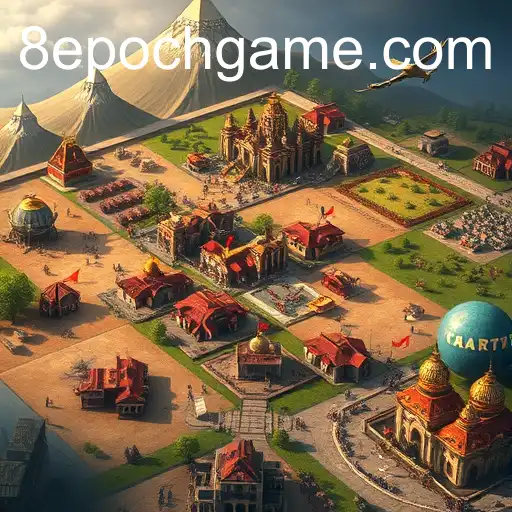
In the realm of digital entertainment, strategy games have carved out a niche that challenges players to think critically, plan meticulously, and execute flawlessly. These games, which fall under the 'Strategy' category on various platforms, offer a unique blend of mental engagement and entertainment. The world of strategy games is vast, filled with diverse sub-genres that appeal to a wide range of gaming enthusiasts. One of the standout categories within this genre is the 'epochgame' – a term that signifies games designed around distinct periods or epochs of time, often incorporating historical elements or speculative futures.
Strategy games require players to manage resources, make strategic decisions, and often outwit opponents. They demand foresight, critical thinking, and a keen understanding of dynamics at play within the game world. Whether it is building and expanding an empire in a civilization-building game or planning tactical maneuvers in a real-time strategy battle, these experiences offer rich, layered gameplay. Games like 'Civilization' or 'Age of Empires' have been pioneers of this genre, captivating players with the opportunity to relive and rewrite history.
The 'epochgame' category within strategy games is especially intriguing because it not only entertains but educates. These games immerse players in various historical contexts, providing insights into different cultures, technologies, and conflicts of past eras. Players can explore the ancient civilizations, the feudal conflicts of the Middle Ages, or even future scenarios of human evolution. These games serve as a digital time machine, allowing players to shape the rise and fall of civilizations with the click of a button.
Moreover, the strategy genre is lauded for its ability to foster strategic thinking skills that are applicable beyond gaming. The skills honed and the lessons learned from managing resources, negotiating alliances, and executing plans in these games can translate to real-world situations. From decision-making to problem-solving, the cognitive benefits are numerous.
In conclusion, strategy games, epitomized by the expansive 'epochgame' category, offer an engaging mix of mental stimulation and escapism. They empower players to step into different epochs and bear witness to the unfolding of history, all while honing crucial strategic skills. These games are not merely about winning battles or conquering lands, but about forming intricate strategies, learning from history, and ultimately, exploring the breadth of human potential across time.
