

epochgame | Exploring the Evolution of Word Games: A Digital Epoch
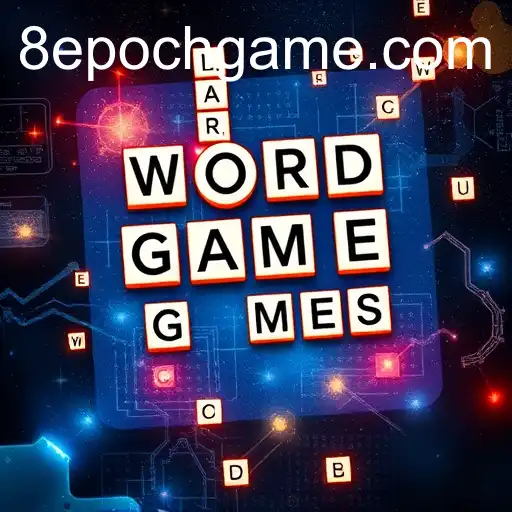
In the sprawling universe of online gaming, word games have carved a niche that appeals to a diverse audience seeking to challenge their vocabulary, wit, and critical thinking. Among the bustling digital landscape, 'epochgame' emerges as a significant keyword, symbolizing the enduring appeal and evolving nature of word-based puzzles in the digital era.
At the core of word games is the timeless allure of language itself. Players are drawn to the complexity and simplicity intertwined in these puzzles, where a single word or letter can unlock new levels and insights. From classic crossword puzzles and word searches to more interactive, technology-driven formats, these games offer an endless array of challenges.
'Word Games' as a category on gaming websites capitalizes on this universal fascination. It is not just about testing one's existing vocabulary but expanding it. The keyword 'epochgame' often signifies games that focus on historical linguistic shifts or epochs, requiring players to think across different time periods or contexts. Such games offer an engaging way to learn new words, understand etymology, and appreciate the richness of language while engaging in light-hearted competition or solitary challenge.
The digital shift in word games has introduced features such as multiplayer options, global leaderboards, and interactive vocabulary building, enhancing the gaming experience. Players can now connect with others worldwide, compete in real-time, and share achievements via social platforms. This social aspect fuels community-driven motivation, making word games a dynamic part of digital interaction.
The integration of artificial intelligence has further revolutionized word games. AI-driven opponents provide a relentless challenge, adapting to a player's skill level, and ensuring that each game remains compelling. Moreover, AI aids in personalizing experiences and offering hints and learning tips, allowing players of all ages to enjoy the games at their own pace.
In conclusion, the 'epochgame' keyword encapsulates the transformation of word games from traditional paper-based puzzles to sophisticated digital interactions that bridge history, technology, and language. These games continue to evolve, offering educational benefits and entertainment, ensuring their place in the future of gaming. As players continue to engage with word games, they experience not just a pastime, but a continuous journey of linguistic exploration and discovery.
